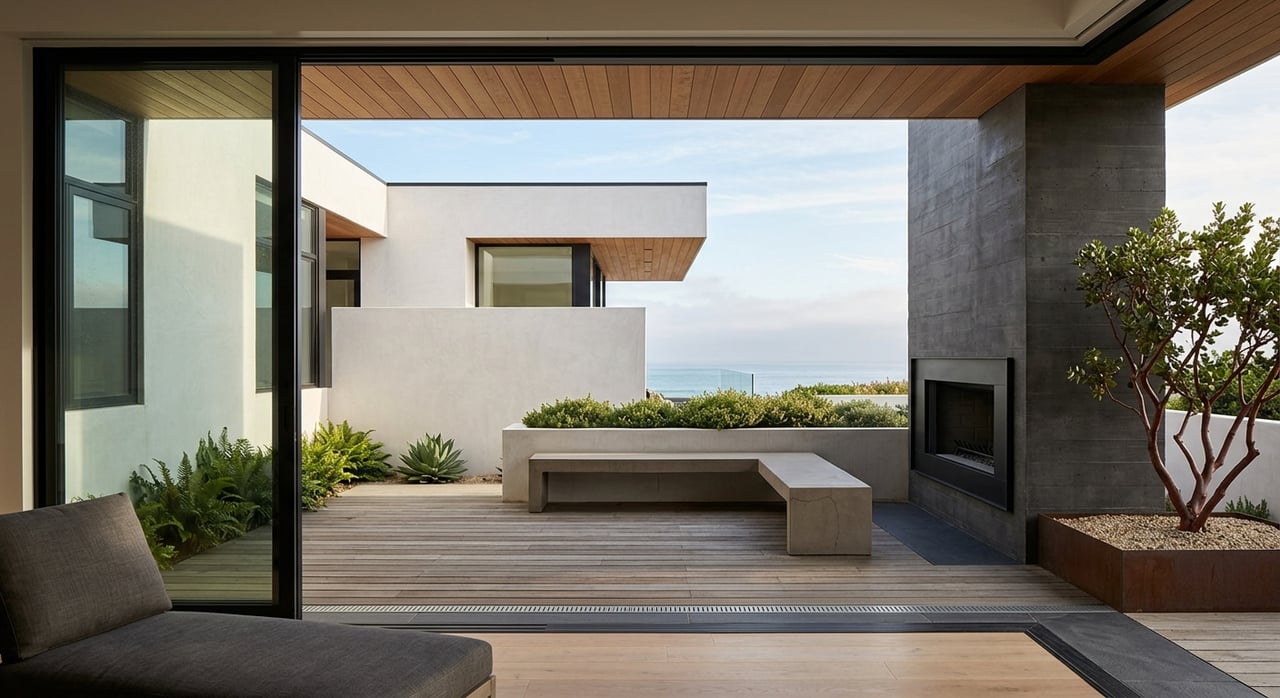
You can be in the same small coastal community and still choose between two very different ways of living. In Stinson Beach, that choice often comes down to beachfront or hillside. If you are looking for a weekend escape, a second home, or a place that feels deeply tied to Marin’s coastal landscape, understanding that difference matters. This guide will help you weigh access, privacy, weather, upkeep, and long-term practicality so you can choose the retreat that fits you best. Let’s dive in.
Stinson Beach Offers Two Distinct Retreats
Stinson Beach is an unincorporated West Marin community about 15 miles northwest of San Francisco. The local water district describes a 6,400-acre service area with roughly 1,967 residents, and Marin County places Stinson Beach within its coastal zone, where the Local Coastal Program and coastal development permits shape land use.
What makes Stinson Beach so compelling is how quickly the landscape changes. On one side, you have the Pacific shoreline. On the other, you have the west slope of Mount Tamalpais, where California State Parks describes a 6,300-acre setting of redwood groves, oak woodlands, and hillsides with broad views over the ocean, the Bay, and surrounding hills.
That contrast creates two very different ownership experiences. A home near the sand tends to feel immediate, active, and tied to the rhythms of the beach. A home on the hillside often feels more secluded, elevated, and retreat-oriented.
Beachfront Living in Stinson Beach
If your ideal morning starts with stepping outside and seeing the sand, beachfront will likely have strong appeal. National Park Service information describes Stinson as the park’s only beach that is good for swimming and one of the best swimming beaches in the region.
That direct connection to the shore is the biggest draw. You are closer to the beach itself, the seasonal lifeguard presence, the picnic areas, the café, and the daily energy that comes with a popular coastal destination.
What Beachfront Buyers Often Love
Beachfront ownership usually appeals to buyers who want the most direct beach experience possible. You may value being able to walk out and feel fully immersed in the shoreline setting without needing to drive or plan around the day.
Common advantages include:
- Immediate access to sand and surf
- Strong visual connection to the shoreline
- A classic Stinson Beach experience centered on the water
- Easy enjoyment of beach walks and seasonal swimming
For some buyers, that level of access is the whole point of owning in Stinson. The house becomes less about separation and more about full participation in the coastal environment.
The Tradeoffs of Beachfront
The same factors that make beachfront attractive can also make it more exposed. Marin County’s 2025 Stinson ARC study says the area already experiences king tides, creek and coastal storm flooding, rising groundwater, erosion, and wave run-up under current conditions.
That matters most the closer a property sits to the active shoreline. The county study also notes that beachfront properties are frequently exposed to storm impacts, and that Calle del Arroyo is the only access route for most low-lying properties.
Beachfront homes also tend to be closer to public activity. On hot days, the National Park Service says the parking lot often fills before noon and there are no overflow lots, which reinforces how visitor-driven the beach environment can be during peak periods.
In simple terms, beachfront often means you are prioritizing immediate beach access over privacy, separation, and resilience.
Hillside Living in Stinson Beach
If you picture your retreat as quieter, more private, and visually expansive, hillside living may be the better fit. While “hillside” is not a formal market category, it is a practical way to describe homes set above the beach environment, closer to the slopes below Mount Tamalpais.
California State Parks and the National Park Service both describe the surrounding area as steep, hilly, and connected by trails. That geography helps explain why hillside homes often feel less public-facing and more removed from the activity of the beach.
What Hillside Buyers Often Love
A hillside property usually trades walk-out beach access for a different kind of experience. Instead of leading with sand at your doorstep, it leads with elevation, outlook, and a stronger sense of retreat.
Common advantages include:
- More privacy from day-use beach activity
- A quieter setting overall
- Broader views shaped by elevation and terrain
- Closer alignment with trail access and upland scenery
For many second-home buyers, that balance feels more restorative. You are still in Stinson Beach, but the day-to-day experience can feel calmer and more tucked away.
The Tradeoffs of Hillside
The main compromise is convenience to the beach itself. If you want to step directly onto the sand, hillside living will not match the immediacy of true beachfront ownership.
Depending on the parcel, you may also have more driving and a little more separation from the village core. For some buyers, that is a benefit. For others, especially those who want a casual, barefoot beach routine, it can feel like too much distance.
In simple terms, hillside often means you are prioritizing privacy, views, and a quieter setting over instant shoreline access.
How Weather Changes the Experience
One of the most important things to understand about Stinson Beach is that it does not feel the same in every season. According to the National Park Service, winter is cool, rainy, and often overcast. Summer fog typically becomes more dominant by July, while mid-to-late September through October is often the clearest and sunniest stretch.
That seasonal swing affects both property types. A beachfront home can feel bright and classic in the fall, then storm-oriented in winter. A hillside property may offer a different visual experience through shifting fog, changing light, and wider views across the landscape.
If you are buying a retreat, think beyond the perfect sunny weekend. Consider how you want the home to feel in fog, rain, wind, and quieter off-season months.
Access and Day-to-Day Practicality
In Stinson Beach, access is never a small detail. The National Park Service describes the road to Stinson Beach as steep and winding, and Marin Transit Bus #61 also serves the area.
For beachfront buyers, visitor traffic and parking patterns can shape the atmosphere on busy days. The beach is open year-round, with gates opening at 9:00 a.m., and the lot often fills early during hot weather.
For hillside buyers, daily movement may involve more driving, but often with a greater sense of remove from peak visitor flow. Neither option is inherently better. It depends on whether you want to be in the center of Stinson’s public beach life or slightly above it.
Village Amenities Are Modest by Design
Stinson Beach is not a full-service resort town, and that is part of its charm. Village Green Park serves as a small civic hub with lawn, playground, picnic tables, benches, restrooms, and access from the main street area.
The National Park Service also notes beach-area restrooms, a cold shower, a café by the lifeguard tower, and beach wheelchairs available on request. Together, these features support an easygoing coastal lifestyle, but they do not create an urban convenience environment.
That distinction is worth keeping in mind if you are comparing Stinson Beach with more service-heavy destinations. Here, the appeal is low-key village character paired with exceptional natural surroundings.
Maintenance, Resilience, and Due Diligence
In Stinson Beach, ownership is about more than finishes, views, or architecture. Marin County’s flood district says winter storms can bring landslides and damaged roadways, and the county’s long-range planning work reflects the community’s ongoing exposure to sea-level rise, flooding, and groundwater issues.
The National Park Service also notes adaptation work at Stinson Beach, including moving underground electrical lines and restroom leach fields farther inland. That is a useful reminder that resilience is part of the local ownership picture.
Whether you prefer beachfront or hillside, your due diligence should stay grounded in the parcel itself. A thoughtful review can help you understand not just how a property looks today, but how it functions over time.
Key Questions to Ask Before You Buy
- How close is the parcel to the active shoreline?
- Is the property inside the coastal zone?
- Is a coastal development permit likely to affect future work?
- What is the guest parking reality on weekends or holidays?
- What flooding, erosion, drainage, or winter access history does the parcel have?
Marin County makes clear that development in the coastal zone is governed through local coastal planning and permitting. For a buyer, that means practical review matters just as much as emotional appeal.
Open Space Shapes the Lifestyle
One of Stinson Beach’s greatest strengths is the public-land network around it. Mount Tamalpais State Park can be reached from the Stinson Beach exit, and its trails connect with Muir Woods and the coast.
National Park Service hiking information also shows that Dipsea and Steep Ravine routes link Muir Woods and Stinson Beach, while Bolinas Ridge supports long scenic hikes and bike rides across the coastal range. Steep Ravine Campground sits about 1.5 miles south of Stinson Beach, reinforcing how closely beach life and upland recreation exist side by side.
This matters when choosing between beachfront and hillside. If your retreat is centered on the beach itself, beachfront may feel right. If your ideal weekend includes trails, overlooks, and a more elevated relationship to the landscape, hillside may align better.
Which Stinson Retreat Fits You Best?
If you want to step straight onto the sand, embrace the public energy of the shoreline, and accept greater exposure to coastal conditions, beachfront is usually the stronger fit. It delivers the most iconic Stinson Beach experience, but it asks you to be comfortable with weather, access pressure, and long-term adaptation concerns.
If you want more privacy, a quieter setting, and a home that feels more separate from the visitor-driven beach scene, hillside is usually the stronger fit. You give up some immediacy to the shore, but you often gain a more secluded retreat experience.
The right choice is not about which setting is more desirable in the abstract. It is about which setting supports the way you actually want to spend your time in Stinson Beach.
If you are weighing a distinctive Marin coastal purchase and want a thoughtful, property-specific perspective, Scott Woods offers the kind of local guidance and tailored representation that can help you evaluate lifestyle fit, site context, and long-term value with clarity.
FAQs
What is the main difference between beachfront and hillside homes in Stinson Beach?
- Beachfront homes emphasize immediate sand access and daily connection to the shoreline, while hillside homes generally offer more privacy, elevation, and a quieter retreat setting.
What coastal hazards should buyers consider for Stinson Beach property?
- Marin County’s Stinson ARC study identifies king tides, creek and coastal storm flooding, rising groundwater, erosion, and wave run-up as current coastal hazards affecting the community.
What weather patterns affect second homes in Stinson Beach?
- The National Park Service says winter is cool, rainy, and often overcast, summer fog becomes more common by July, and mid-to-late September through October is typically the clearest and sunniest period.
What access issues matter when buying a home in Stinson Beach?
- Buyers should consider the steep and winding road approach, beach parking that can fill early on hot days, guest parking realities, and whether winter storms or low-lying access routes may affect the property.
What local rules should buyers review for Stinson Beach coastal property?
- Buyers should confirm whether a parcel is in the coastal zone and how Marin County’s Local Coastal Program and coastal development permit requirements may affect future property changes.