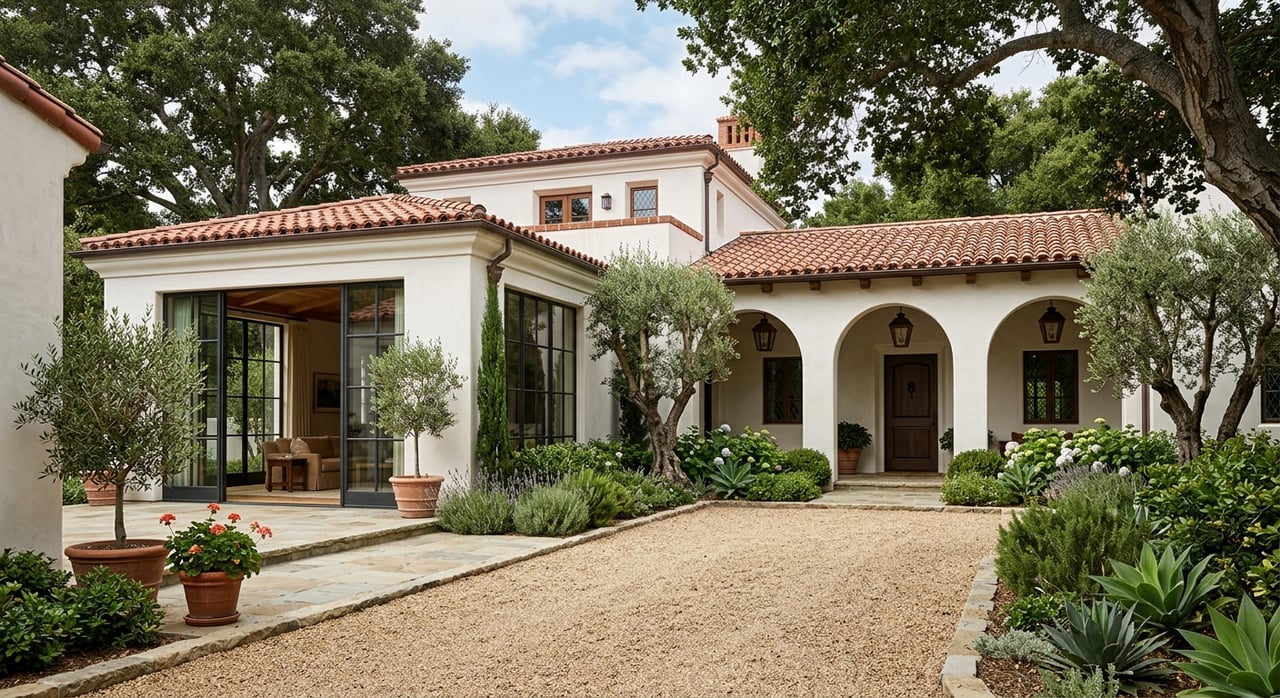
If you are shopping for a legacy estate home in Ross, you are not just buying square footage. You are choosing a property with history, land, and a setting that can be hard to replicate in one of Marin’s most established towns. The right purchase means understanding how architecture, topography, open space, and town review standards all work together, and that is exactly what this guide will help you do. Let’s dive in.
Why Ross Feels Different
Ross is small by design. The Town describes itself as about 1.6 square miles with roughly 2,550 residents, and its planning framework emphasizes protecting a tree-covered, low-density setting where homes coexist with the natural landscape.
That matters when you are searching for an estate property. In Ross, legacy homes tend to feel limited, individual, and deeply tied to their sites rather than part of a large supply of interchangeable luxury inventory.
Legacy Estates and Historical Character
Many of Ross’s estate properties trace their roots to the 1890s, when prosperous San Francisco families established country homes here. The Ross Historical Society notes that this early pattern helped shape the town’s long-standing estate identity.
You will also see distinct historic areas mentioned in Ross history, including the Bosqui and Cole Tracts, Winship Park and Camino Bueno, Pearl and Ross-Lagunitas Tracts, and Sylvan Lane. These names help explain why Ross can feel more like a collection of individual enclaves than a typical suburban market.
By the 1920s, homes in Ross often reflected Eclectic, Tudor, Spanish, and English Cottage styles. The town’s architectural legacy also includes work associated with architects such as Howard and White, Maxwell Bugbee, and Bernard Maybeck, with Gray Oaks from 1906 standing out as a notable local reference.
What Defines a Ross Estate
In Ross, the land is often as important as the residence itself. A true estate property here is usually defined by how the house sits within its environment, how it relates to mature trees and open space, and how naturally the improvements fit the lot.
The Town’s General Plan emphasizes preserving open space on site, respecting natural topographic contours, minimizing cut and fill, and keeping building bulk in scale with surrounding vegetation and neighboring homes. In practical terms, that means the most compelling properties often feel settled and inevitable, not overbuilt.
Views can also shape value and appeal. Ross planning documents call for preserving views of hillsides, ridgelines, Mt. Tamalpais, and Bald Hill, so a home’s relationship to the landscape can be a major part of its long-term draw.
Open Space Shapes the Experience
One of the defining features of Ross estate living is proximity to protected natural surroundings. The town’s open-space framework includes places such as Bald Hill, Phoenix Lake, watershed lands, and Upland Ridge and Greenbelt areas.
Because of that, buyers are often evaluating more than lot size. A property’s edge condition, meaning how it meets open space, hillside terrain, or a green backdrop, can matter just as much as acreage.
Ross’s housing planning documents say the town is essentially built out, and that vacant land is mostly found in steep terrain. They also note that larger lots are generally found farther from the center, which helps explain why some estate settings feel especially private and hard to reproduce.
Nearby preserves reinforce that sense of permanence. Bald Hill Preserve spans 107 acres, and Phoenix Lake connects Ross to the broader Mt. Tam Watershed landscape, an 18,000-acre source area described by Marin Water. For you as a buyer, that can mean a home framed by lasting greenery rather than future large-scale development.
Site Fit Matters More Than Size
When you tour legacy properties in Ross, it helps to shift your focus from pure square footage to site fit. A large home is not automatically the strongest estate purchase if it feels forced onto the parcel or disconnected from the landscape.
Ross’s Advisory Design Review Group evaluates site planning, massing, setbacks, light and air, privacy, and material selection. That tells you a lot about what the town values and what tends to hold up well over time.
As you compare homes, pay attention to how the residence relates to neighboring rooflines, tree canopies, grades, and open space. The most successful properties usually feel balanced from the street, from the garden, and from the surrounding terrain.
Hillside Lots Need Extra Review
Topography is a major part of buying in Ross. The town defines a hillside lot as one with a 30 percent slope or greater and or a parcel partly within slope stability hazard zones 3 or 4.
For these properties, site planning becomes even more important. The town’s regulations call for defensible space, compliance with wildfire-related building standards, and avoidance of unstable areas.
The General Plan also says development on sloping land should relate to existing landforms, reduce large retaining walls, and minimize cut, fill, and hauling. For you, that often translates into a premium for homes that already solved difficult topography in a thoughtful way.
Flood and Fire Conditions to Check Early
Ross buyers should also look closely at environmental conditions tied to a specific parcel. The Town says areas near Corte Madera and Ross Creeks are most likely to flood, and work within 25 feet of a creek or watercourse requires design review.
The town also participates in the National Flood Insurance Program. If a home is near a creek corridor, you will want clarity early on about flood exposure and any design constraints tied to the site.
Fire risk deserves the same attention. Ross encourages residents to review the Wildland-Urban Interface map to identify high fire-risk areas, which can be especially relevant for hillside properties or homes along the open-space edge.
Turnkey or Restoration Project?
Because Ross has an older housing stock, many buyers face a familiar question: should you choose a turnkey estate or a home with renovation potential? The answer depends on your timeline, appetite for process, and how much value you place on immediate usability.
Ross planning documents state that more than 70 percent of the housing stock was built before 1960. They also note that the town is mostly composed of single-family detached homes on relatively large lots, with limited land supply, high land and construction costs, and strict planning regulations constraining new development.
That context often makes turnkey homes especially appealing. If a property already delivers scale, proportion, indoor-outdoor flow, and permitting clarity, it may save you time and reduce uncertainty in a town where changes can require careful review.
What Usually Holds Value in Ross
In a place like Ross, value often comes from restraint. Homes that preserve mature landscaping, privacy, and the original relationship between house and site tend to align well with the town’s planning priorities.
The General Plan emphasizes tree canopy preservation, natural vegetation, open space between structures, and buildings that remain in scale with surrounding homes and plantings. That means additions or updates that feel subordinate to the original house and landscape are often more in tune with the setting than changes that try to maximize bulk.
If you are evaluating long-term resale, look for qualities that are hard to recreate. These often include:
- A natural fit with the topography
- Mature landscaping and established tree canopy
- Privacy without feeling isolated
- Strong indoor-outdoor connection
- Clear relationship to open space or protected views
- Architecture that feels consistent with the property’s era and site
Questions to Ask Before You Buy
A Ross estate purchase deserves a deeper level of diligence than a typical home search. Before you move forward, it helps to ask questions that go beyond finishes and room count.
Consider focusing on these areas:
- How does the house sit on the lot relative to slope, trees, and neighboring homes?
- Is the parcel affected by hillside, floodway, creek, or wildfire-related standards?
- Have prior owners already addressed difficult site issues well?
- If you want guest space or future flexibility, what does the town’s ADU or SB9 guidance allow on this parcel?
- Will any renovation plans need design review, variance review, or additional site-specific approvals?
These questions can help you separate a beautiful showing from a truly durable estate purchase.
Buying With a Long View
The best legacy estate homes in Ross usually offer more than prestige. They provide a sense of permanence through architecture, land, and a relationship to nature that feels increasingly rare in Marin.
If you approach the search with a long view, you will be better positioned to recognize the properties that are not just impressive today, but compelling for years to come. In Ross, that usually means choosing a home that belongs to its setting as much as it stands out within it.
If you are considering a Ross estate home and want thoughtful guidance on property fit, market positioning, and the nuances that matter in Marin’s high-end market, Scott Woods offers a refined, relationship-driven approach tailored to distinctive homes.
FAQs
What makes a legacy estate home in Ross different from other luxury homes in Marin?
- In Ross, legacy estate homes are often defined by historic character, mature grounds, low-density surroundings, and a strong relationship to topography and open space.
What architectural styles are common in Ross estate homes?
- Ross history highlights Eclectic, Tudor, Spanish, and English Cottage styles, along with homes connected to architects such as Howard and White, Maxwell Bugbee, and Bernard Maybeck.
Why is lot configuration so important when buying in Ross?
- Ross places strong emphasis on site planning, scale, open space, vegetation, and how a home fits natural contours, so the parcel itself can be as important as the house.
Are hillside estate homes in Ross harder to renovate?
- They can be more complex because hillside lots may trigger added review related to slope, stability, defensible space, wildfire standards, and design response to the terrain.
Should you choose a turnkey Ross estate or a fixer?
- Many buyers prefer turnkey homes in Ross because the town is largely built out, the housing stock is older, and renovation can involve higher costs and stricter planning review.
What should you check if a Ross property is near a creek?
- You should review potential flood exposure and design constraints, since the town says areas near Corte Madera and Ross Creeks are more likely to flood and work within 25 feet of a creek or watercourse requires design review.