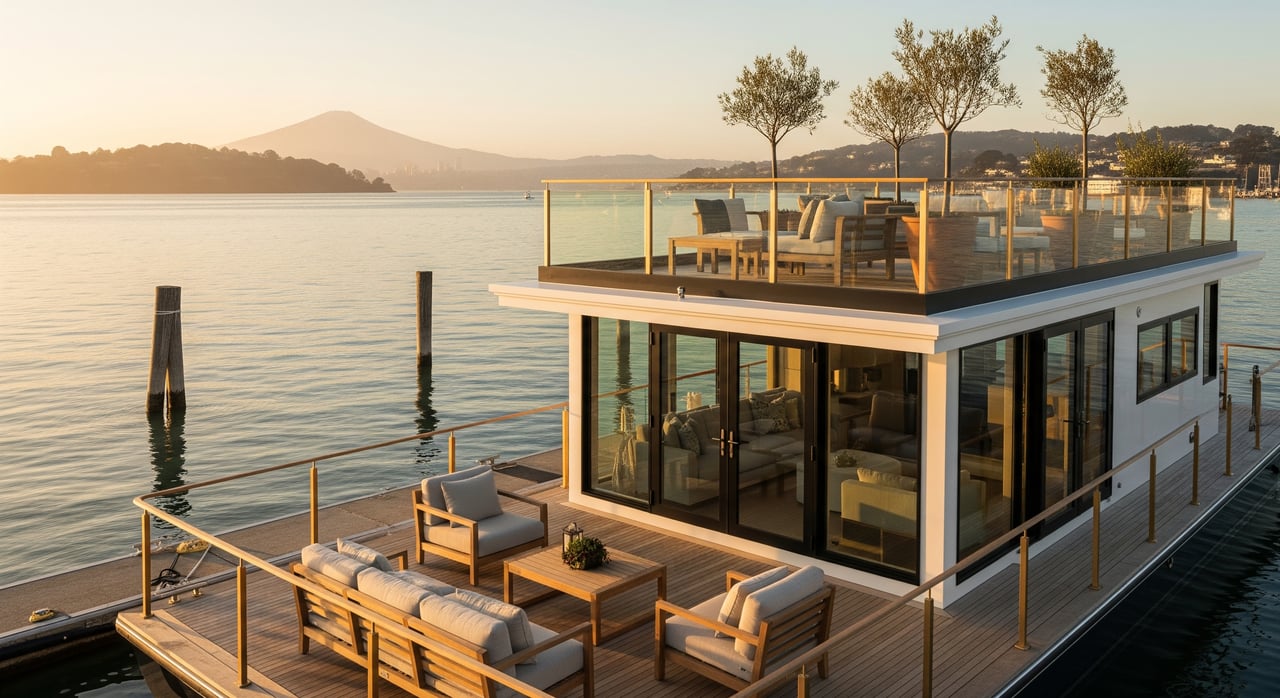
Imagine morning light on Richardson Bay, gentle waves tapping your float, and sea birds as your soundtrack. If you are drawn to that scene, a Sausalito houseboat or floating home might be calling you. The details can feel complex at first: leases, permits, utilities, and financing all work a bit differently on the water. This guide breaks down the costs, rules, and day-to-day realities in Sausalito and nearby San Rafael so you can decide if this lifestyle fits your life and goals. Let’s dive in.
Houseboat terms in Marin
In Marin, people often say “houseboat,” but there are two main types:
- Floating homes: Residential structures built to float and usually moored permanently to a dock. These are not meant to cruise.
- Houseboats as vessels: Boats designed for living that can move under power. They carry vessel registration and follow boating rules.
You will also hear “slip” or “berth,” which refers to your space at a marina, and “mooring,” which is an anchor or buoy offshore. Most year-round living in Sausalito happens in slips with dock access and utilities.
Ownership and moorage options
You usually own the structure and use a long-term lease for the water space. In Marin, common models include:
- Structure ownership with a long-term slip or moorage lease from a marina or public entity.
- Cooperative or HOA models where you own shares that entitle you to a slip and share responsibilities.
- Fee-simple ownership of the structure with a separate water-lot arrangement, which is less common.
Your moorage agreement is critical. Review the term length, rent increases, transfer rules when you sell, sublease limits, maintenance responsibilities, and any causes for termination. In HOA or co-op setups, study CC&Rs, budgets, reserves, and rules around pets, guests, and liveaboard use.
Rules and permits to know
Waterfront property in Sausalito has multiple layers of oversight. Expect involvement from the City of Sausalito or Marin County for local codes, and the Bay Conservation and Development Commission for dock or piling changes. If the home is a vessel, U.S. Coast Guard and California boating rules apply. Environmental regulations prohibit discharging sewage into the Bay and may require specific pump-out or sewer connections.
Marinas often cap the number of liveaboards and require permits for full-time residency. Ask for written confirmation that your slip allows full-time living, overnight guest policies, and any limits on length of stay.
Utilities and infrastructure basics
- Electricity: Shore power is typical, and capacity varies by dock. Older docks may have limited amperage. Verify metering and wiring condition.
- Water: Most docks provide potable water. Check whether it is individually metered or billed through the marina or HOA.
- Sewage: Solutions include direct sewer connections, pump-out service, or holding tanks that require pump-outs. Floating homes often prefer direct sewer where available.
- Internet and cable: Availability varies by dock infrastructure. Test actual speeds at the slip.
- Gas and propane: Many floating homes use electric systems or propane for cooking and heat; storage and installation must follow fire codes.
Inspect floats, docks, and pilings for condition and seismic resilience. Understand who pays for what when repairs are needed and how emergency fixes are handled.
Financing and insurance
Financing depends on how your home is classified and the moorage structure.
- Mortgages: Possible when the home is treated like real property and the moorage is a stable long-term arrangement.
- Chattel or boat loans: More common if the home is classified as a vessel or personal property, with different terms and rates.
- Specialty lenders: Some institutions focus on floating homes and will want extra documentation, especially about the lease and insurance.
Insurance is specialized. You may need a floating-home policy, marine liability, hull coverage for vessels, and potentially earthquake coverage. Flood coverage may not apply the same way as on land. Insurers will require safety and mooring standards.
True costs to budget
Owning on the water combines home ownership with marine upkeep. Common recurring costs include:
- Moorage or slip rent and any HOA or co-op dues
- Utilities for power, water, internet, and sewage or pump-outs
- Insurance for the structure and required liability
- Routine maintenance for flotation systems, hulls, finishes, and systems
Plan for unexpected items like dock or piling upgrades, special assessments in HOA communities, and environmental or code-driven improvements.
Lifestyle in Sausalito and San Rafael
Floating-home communities are social and close-knit. You share dock life, and neighbors are part of your daily rhythm. Some slips feel lively with marina activity, while others are quiet and scenic.
Think through access and transportation. Parking can be limited, and commuting options vary by marina. Storage space is tighter than most land homes, and layouts are often unique.
Families and pet owners should review marina rules and consider safety on docks. Day-to-day comforts such as hot water, laundry, and garbage are available, but the setup may differ from a land home.
Resale and exit strategy
Houseboats and floating homes form a niche market. Timing and pricing can be less predictable than traditional homes. Marketability often hinges on whether the moorage lease transfers to a new buyer and what approvals are required.
Keep organized records: marine surveys, maintenance logs, permit history, and lease details. Good documentation builds buyer confidence and can support value.
Due-diligence checklist
Documents to request
- Current moorage lease and history of rent increases
- HOA or co-op CC&Rs, budgets, reserve studies, and minutes
- Proof of ownership and any encumbrances
- Recent marine survey and maintenance records for floatation, electrical, and plumbing
- Insurance declarations and claims history
- Permits and correspondence with local and regional agencies
- Flood and sea-level-rise planning maps for the slip location
Inspections and specialists
- Marine surveyor experienced with floating homes and vessels
- Licensed electrician and plumber with dock expertise
- Environmental consultant if the structure is older or concerns exist
- Real-estate attorney familiar with leasehold and waterfront issues
- Lender pre-approval from a lender that finances floating homes
Practical living checks
- Visit at different tides and times of day for access, noise, and wake conditions
- Confirm parking, guest policies, trash and recycling, and mail delivery
- Test cell coverage and internet at the slip
- Walk the dock to review cleats, fenders, gangways, and slip condition
How to get started
- Define your goals: weekend retreat, full-time living, or pied-à-terre.
- Map your budget with room for moorage, maintenance, and insurance.
- Speak with lenders who finance floating homes and confirm what they require.
- Pre-review sample leases and community rules so you know your boundaries.
- Tour multiple marinas in Sausalito and San Rafael at different times to confirm fit.
If you want a calm, informed path into Marin’s floating-home market, let a local advisor guide the details and pace. For discreet, end-to-end buyer representation and insight across Sausalito, San Rafael, and the greater Marin waterfront, connect with Scott Woods.
FAQs
What is the difference between a Sausalito floating home and a houseboat?
- A floating home is a residential structure moored to a dock and not intended to cruise, while a houseboat is a vessel designed to move and follows boating registration and safety rules.
What ongoing costs should I expect for a Sausalito houseboat?
- Budget for moorage or HOA dues, utilities, insurance, routine marine maintenance, and potential special assessments for dock or piling upgrades.
Can I live aboard full-time in Sausalito marinas?
- Many marinas allow liveaboards with permits and limits; confirm in writing that your slip permits full-time residency and review guest and stay-length rules.
How does financing work for Marin floating homes and houseboats?
- Financing depends on classification; real property setups may qualify for mortgages, while vessel or personal property homes usually use chattel or boat loans via specialty lenders.
Which inspections are essential before buying a Sausalito houseboat?
- Hire a marine surveyor, a licensed electrician and plumber familiar with docks, and consider environmental testing for older structures and materials.
How do sewage and utilities work on Sausalito floating homes?
- Homes may connect directly to municipal sewer, use pump-out services, or rely on holding tanks; electricity and water come from shore hookups, and internet availability varies by dock.
Are Sausalito houseboats a good choice for resale potential?
- Resale is a niche market; transferability of the moorage lease, HOA rules, and strong maintenance and survey records play major roles in marketability and value.