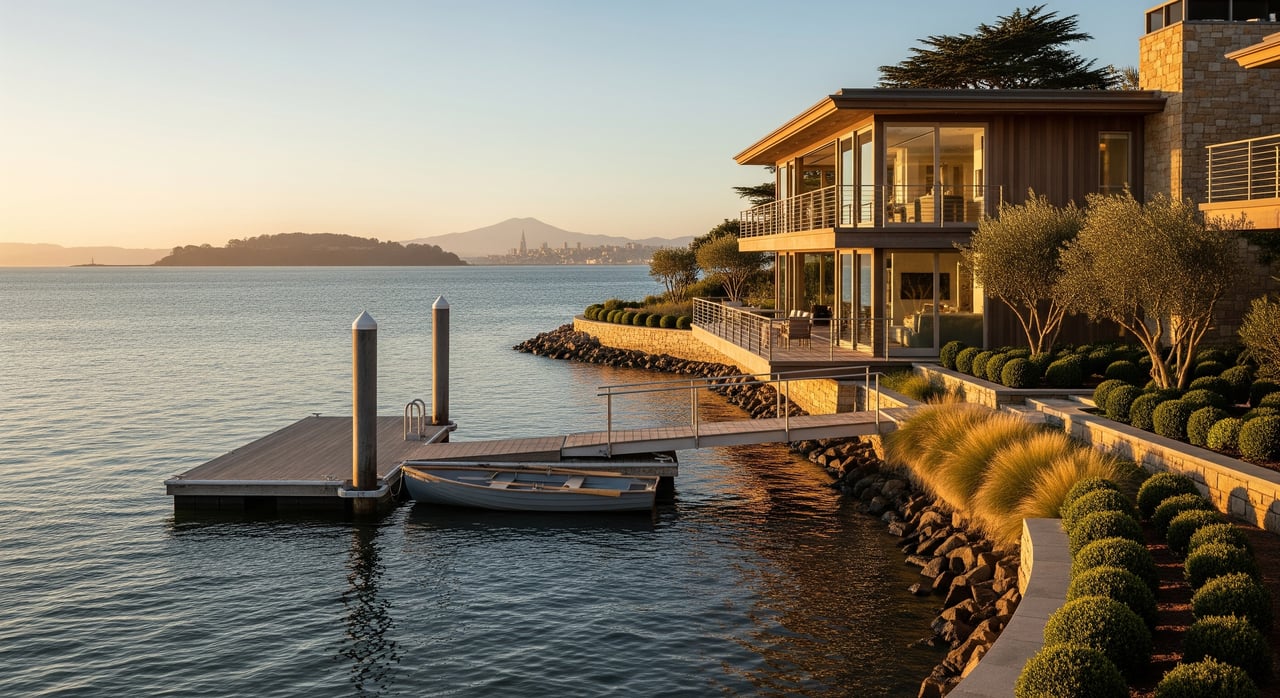
Picture yourself launching a kayak from your own deck as the morning light hits the water. Belvedere Lagoon living is as serene as it is special, but you want to know the realities before you buy. This guide gives you a clear view of access, rules, maintenance, flood exposure, and day-to-day life so you can make a confident decision. Let’s dive in.
Why Belvedere Lagoon stands out
Belvedere Lagoon sits on the Tiburon Peninsula in Marin County, with a tidal connection to Richardson Bay and San Francisco Bay. The setting blends quiet residential streets with intimate waterfront living. Properties often feature private docks, compact lots, and outdoor spaces designed to capture light, views, and water access.
Homes on or near the lagoon are among the area’s most sought-after residences. Inventory is limited and values reflect the premium for waterfront lifestyle in Belvedere and Tiburon. Buyers typically include Bay Area professionals, affluent commuters, and second-home owners seeking a close-to-the-city retreat.
Water access and boating basics
Know exactly what you own
Water rights and access differ by property. Some homes include private docks, others share a dock, and some have no dock rights at all. Verify dock ownership, recorded easements, and launch access through the title report, deed, and any HOA CC&Rs.
If access is shared, clarify who maintains structures, how costs are split, and what usage rules apply. Ask the seller for maintenance records and any written agreements with neighbors or an HOA.
Allowed vessels, storage, and hours
Most lagoon-use centers on non-motorized or small electric craft like kayaks, SUPs, and dinghies. What you can use, where you can store it, and when you can launch is governed by local codes and any HOA rules. Confirm specifics on vessel types, storage racks, and quiet hours before you buy. If you plan to add or modify a dock, ask about approvals and timelines.
Tides, wind, and paddling safety
The lagoon is tidal. Conditions change with tide and wind, and currents near the lagoon’s exits can be more dynamic than inside. For safe outings, check tide and current forecasts, wear a PFD, and let someone know your plan. Summer afternoons often bring sea breezes, while winter storms can raise water levels and limit paddling windows.
Community life and expectations
Life on the lagoon mixes calm residential routines with social boating and paddlecraft activity, especially in warmer months. You can expect seasonal increases in boat traffic and visitors when the weather turns pleasant. Events and traditions are typically neighborhood-scale and vary by street or HOA.
With narrow streets and shared water features, neighbor relations matter. Many homes rely on cooperative agreements for shared docks, walkways, and parking. Clear boundaries, good communication, and respect for local guidelines help keep the community running smoothly.
Commute and convenience
Belvedere and Tiburon offer access to regional ferry services for trips into San Francisco. Schedules and operators evolve by season, so confirm current routes and frequency if commuting is important to you. Road access to Highway 101 is straightforward from the Tiburon Peninsula, though peak-hour traffic can affect travel times. If you host often, ask about guest parking rules and any HOA or city restrictions.
Homes, docks, and maintenance
Architecture and layout
You will see a mix of Marin styles around the lagoon. Traditional shingle homes, Mediterranean influences, mid-century modern updates, and contemporary renovations all appear. Many residences have been expanded to maximize views and indoor-outdoor flow, with decks and terraces at the water’s edge.
Lot sizes and configurations vary. Some homes feature seawalls, bulkheads, or riprap along the shoreline, and many have stairs or ramps to a dock.
Marine climate and upkeep
Salt air accelerates wear. Budget for more frequent attention to metal railings, deck hardware, exterior paint, and outdoor finishes. Roofing, windows, HVAC, and ventilation choices should handle moisture and marine exposure. Landscaping often favors salt-tolerant and low-water species that hold up well by the coast.
Docks, seawalls, and shared costs
Shoreline structures can be privately owned or shared. Ownership and maintenance obligations are not always obvious. Review title documents, recorded easements, and any agreements that outline who pays for inspections, repairs, and replacements. Maintenance can be a notable ongoing cost, and some structural work can require significant planning and permitting.
Environmental and regulatory lens
Flood risk, sea-level rise, and insurance
Lagoon-front homes are subject to high tides and storm surges, and many sit within mapped coastal flood risk areas. Review FEMA Flood Insurance Rate Maps, local floodplain information, and any available elevation certificate for the property. Marin County continues to plan for sea-level rise, which can inform long-term resilience. Flood insurance availability and cost are key factors to evaluate with an insurance professional.
Permits for shoreline work
Work on docks, bulkheads, seawalls, or shoreline modifications usually requires approvals. Expect to coordinate with the City of Belvedere and potentially regional or state agencies such as the Bay Conservation and Development Commission. Larger projects can involve additional state or federal review depending on scope. Ask the city about recent shoreline permits, typical timelines, and any pending regulatory changes.
Weather, winds, and local wildlife
Fog and marine layer are common in the Bay Area, with afternoon breezes in summer and stormier systems in winter. Nearby Richardson Bay supports seabirds and eelgrass habitat, and you may occasionally see seals or other marine life. Conservation considerations can affect certain shoreline activities, so verify any project’s environmental requirements before you start.
A buyer’s due diligence checklist
Use this checklist to focus your efforts before you write an offer:
- Title and water rights: Confirm dock ownership, recorded easements, and any rights of way.
- HOA/CC&Rs: Review watercraft rules, storage, hours of use, guest access, and any rental limits.
- Flood exposure: Check FEMA maps, local designations, past flooding history, and request an elevation certificate.
- Shoreline structures: Inspect the dock, bulkhead, and seawall. Request maintenance records and cost histories.
- Permitting: Ask planning and public works about permits needed for future dock, seawall, or remodel work.
- Insurance: Obtain quotes for homeowners, flood, and earthquake coverage.
- Commute: Review ferry options and road access that match your schedule.
- Neighborhood expectations: Ask about seasonal boat traffic, noise policies, and guest parking.
- Local vendors: Identify marine contractors, engineers, and maintenance resources with lagoon experience.
What a winning offer includes
In a low-inventory environment, preparation helps you stand out. Align your offer with the property’s realities and the seller’s needs.
- Pre-offer diligence: Review title, HOA documents, and any available inspection reports. If allowed, consider a dock and seawall inspection.
- Insurance clarity: Confirm flood and homeowners coverage options early, including costs and deductibles.
- Project planning: If you intend to modify shoreline structures or add a dock, speak with the city about permit pathways and timelines.
- Flexible timing: Offer terms that match the seller’s preferred closing and occupancy windows.
- Local expertise: Work with professionals who understand Belvedere and Tiburon waterfront rules and maintenance nuances.
Working with a trusted local advisor
Buying on Belvedere Lagoon blends lifestyle and logistics. You will weigh water access and neighborly privacy alongside flood maps and dock maintenance. A seasoned, local-first advisor helps you interpret rules, sequence due diligence, and position your offer in a competitive, high-value market.
If you are exploring lagoon living or a broader search in Belvedere–Tiburon, connect with a discreet, results-focused partner who understands waterfront details and the expectations of Marin’s premium buyers. Start a conversation with Scott Woods to map your next steps.
FAQs
Can I keep a kayak or small electric boat at a Belvedere Lagoon property?
- Check the deed, title report, and any HOA rules for vessel types, storage allowances, and use hours before assuming on-site storage or docking rights.
How do dock and seawall responsibilities usually work on the lagoon?
- Responsibilities can be private or shared; verify ownership, recorded easements, and maintenance agreements, and review past repair records and cost sharing.
What flood zones apply to Belvedere Lagoon homes?
- Many waterfront parcels lie in mapped coastal flood risk areas; confirm FEMA flood zone designation and request an elevation certificate to assess insurance needs.
Are short-term rentals allowed near Belvedere Lagoon?
- Local ordinances and any HOA rules may limit or prohibit short-term rentals; review city code and CC&Rs for property-specific guidance before planning rentals.
How safe is it to paddle from the lagoon to Richardson Bay?
- Conditions depend on tide, wind, and currents near the lagoon’s exits; check forecasts, wear a PFD, and plan routes and timing with local knowledge in mind.